
PowerStep Reset Button Guide: Complete Troubleshooting Steps
PowerStep XL Running Boards
Heavy-duty electric running boards designed for full-size trucks and SUVs. Features weatherproof motors, LED lighting, and integrated reset functionality for reliable operation in all conditions.

PowerStep Smart Series
Advanced running board system with smartphone connectivity and enhanced diagnostic features. Includes remote reset options and real-time status monitoring through dedicated mobile app interface.
Understanding the AMP Research Power Step Reset Button Location
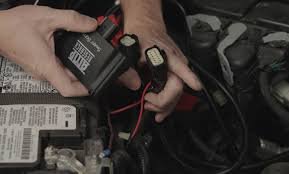
The amp research power step reset button serves as a critical component for maintaining proper system operation. Located within the control module housing, this button provides a direct method to restore factory settings and clear error codes.
Most PowerStep systems position the reset button near the main wiring harness connection point. The button typically features a recessed design that requires a small tool or paperclip to activate, preventing accidental resets during normal operation.
Identifying Reset Button Variations
Different PowerStep models utilize varying reset button configurations. Newer PowerStep Smart Series units incorporate LED indicators surrounding the reset area, while older models feature a simple push-button design.
The amp research power step reset button location may vary depending on your vehicle’s mounting configuration. Check both driver and passenger side control modules, as some installations include dual reset points for enhanced accessibility.
Step-by-Step Reset Procedure for PowerStep Systems
Performing a proper reset requires following specific sequences to ensure complete system restoration. Begin by locating the amp research power step reset button on your particular model, then proceed with the manufacturer-recommended procedure.
Start by turning off your vehicle’s ignition and waiting approximately 30 seconds for system capacitors to discharge. This waiting period prevents electrical interference during the reset process.
Primary Reset Method
Press and hold the amp research power step reset button for exactly 10 seconds using a small tool. You should observe LED indicators flashing in sequence, confirming the reset activation.
Release the button and wait for the system to complete its initialization cycle. Most units require 15-20 seconds to fully restart and calibrate their position sensors.
Alternative Reset Techniques
Some situations require alternative approaches when the standard amp research power step reset button method proves ineffective. Disconnect the main power harness for 60 seconds, then reconnect while simultaneously holding the reset button.
Proper PowerStep installation ensures optimal reset functionality throughout the system’s lifespan.
Common PowerStep Issues Requiring Reset Solutions
Several operational problems indicate the need for amp research power step reset button activation. Understanding these symptoms helps determine when reset procedures offer the most effective solution.
Steps failing to deploy or retract completely often result from position sensor calibration errors. The amp research power step reset button restores proper sensor alignment and eliminates false position readings.
Motor Synchronization Problems
Dual-motor systems occasionally experience synchronization issues where one side operates differently than the other. The reset function recalibrates both motors simultaneously, ensuring matched operation speeds.
Obstruction detection systems may become overly sensitive following repeated false triggers. Using the amp research power step reset button clears accumulated sensitivity adjustments and returns detection thresholds to factory specifications.
Electrical System Conflicts
Vehicle electrical modifications sometimes interfere with PowerStep operation, creating erratic deployment patterns. The reset procedure eliminates learned adaptations that may conflict with modified electrical systems.
Regular PowerStep maintenance combined with periodic resets helps prevent many common operational issues from developing.
Advanced Troubleshooting When Reset Button Fails
Situations where the amp research power step reset button doesn’t resolve operational issues require more comprehensive diagnostic approaches. These advanced techniques address deeper system problems that simple resets cannot correct.
Begin by verifying proper electrical connections at all harness junction points. Loose or corroded connections prevent reset signals from reaching system components effectively.
Diagnostic LED Pattern Analysis
Modern PowerStep systems display specific LED patterns during reset attempts. Solid red indicates power issues, while flashing patterns suggest communication errors between system components.
When the amp research power step reset button produces unusual LED responses, document the exact pattern sequence for technical support consultation.
Manual Motor Override Procedures
Some circumstances require manual motor operation to clear mechanical obstructions before reset procedures can succeed. Locate the manual override points on your specific PowerStep model and follow manufacturer guidelines for safe manual operation.
Always ensure the amp research power step reset button remains accessible during manual override procedures, as you may need multiple reset attempts during troubleshooting.
Professional Service Requirements
Certain conditions exceed typical user troubleshooting capabilities and require professional service intervention. These include internal motor failures, control module damage, or complex wiring harness problems that resist standard reset procedures.
Maintenance Tips to Minimize Reset Requirements
Preventive maintenance significantly reduces the frequency of amp research power step reset button usage. Regular care prevents many conditions that typically require system resets.
Clean the step surfaces and pivot points monthly to prevent debris accumulation. Built-up dirt interferes with smooth operation and triggers unnecessary obstruction detection responses.
Lubrication Schedule Importance
Proper lubrication of moving components reduces mechanical stress that can cause position sensor drift. Apply manufacturer-approved lubricants to pivot points and slide mechanisms quarterly.
The amp research power step reset button becomes necessary more frequently when lubrication schedules are neglected, as increased friction affects motor calibration.
Electrical Connection Inspection
Inspect all visible wiring connections during routine vehicle maintenance. Secure any loose connections and protect exposed wires from road debris and moisture.
Well-maintained electrical systems rarely require amp research power step reset button activation beyond normal periodic maintenance resets.
Seasonal Considerations
Extreme temperature changes affect system calibration and may necessitate seasonal reset procedures. Cold weather can alter motor response times, while hot conditions may affect sensor accuracy.
Perform preventive resets using the amp research power step reset button at the beginning of each season to maintain optimal performance throughout temperature variations.
PowerStep Model-Specific Reset Instructions
Different PowerStep generations require model-specific reset approaches for optimal results. Understanding your particular system’s requirements ensures successful troubleshooting outcomes.
Original PowerStep models utilize straightforward reset procedures with the amp research power step reset button requiring a simple 10-second hold. These systems provide basic LED feedback during reset operations.
Smart Series Reset Procedures
Advanced models incorporate multiple reset modes accessible through the amp research power step reset button. Short presses access different reset levels, while extended holds perform complete factory resets.
The A-06 PowerStep series includes additional diagnostic modes activated through specific button sequences combining reset activation with ignition cycling.
XL Series Considerations
Heavy-duty XL models feature dual-zone reset capabilities where each side maintains independent reset functions. The amp research power step reset button on these systems may require activation on both vehicle sides for complete system restoration.
Some XL configurations include master reset options that simultaneously address both sides through a single amp research power step reset button activation sequence.
Integration with Vehicle Systems
Newer PowerStep installations integrate with factory vehicle networks, requiring coordination between the amp research power step reset button and vehicle diagnostic systems. These installations may need specific ignition key sequences during reset procedures.
Always consult your specific model documentation before attempting reset procedures, as improper sequences can affect PowerStep system programming.
Maintaining Your PowerStep System Through Proper Reset Procedures
Understanding how to properly locate and use the amp research power step reset button ensures reliable operation of your PowerStep system throughout its service life. Regular maintenance combined with appropriate reset procedures prevents most common operational issues from developing into more serious problems requiring professional service.
The reset function serves as your first line of defense against calibration drift, sensor errors, and minor electrical conflicts that naturally occur over time. By following the manufacturer-recommended procedures and maintaining proper electrical connections, you can maximize your PowerStep system’s performance and longevity.
Remember that while the amp research power step reset button resolves many common issues, some conditions require professional diagnosis and service. Don’t hesitate to contact technical support when reset procedures fail to restore normal operation, as attempting inappropriate troubleshooting methods may complicate repairs.
Regular use of proper reset procedures, combined with routine maintenance and inspection, keeps your PowerStep system operating at peak efficiency. This proactive approach minimizes unexpected failures and ensures your investment continues providing reliable service for years to come.