
OBD2 Plug & Play Module: Complete Installation and Compatibility Guide
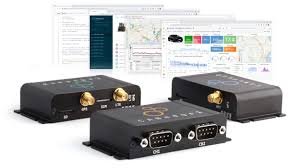
AMP Research OBD2 Plug & Play Module – Universal
The universal OBD2 plug and play module provides seamless integration with your vehicle’s diagnostic port for automatic PowerStep operation. Compatible with most vehicles manufactured after 1996 with standard OBD2 ports.
Understanding the AMP Research OBD2 Plug System
The amp research obd2 plug represents a breakthrough in aftermarket accessory integration, eliminating the complexity traditionally associated with running step installations. This innovative module connects directly to your vehicle’s OBD2 diagnostic port, which has been standard on all vehicles since 1996.
Unlike traditional hardwired installations that require splicing into vehicle wiring harnesses, the amp research obd2 plug system reads door signals and other vehicle data through the diagnostic port. This approach preserves your vehicle’s warranty while providing the same reliable automatic operation you expect from premium running boards.
The module communicates with your vehicle’s computer system to detect door openings, gear selections, and other relevant signals. When properly installed, the amp research obd2 plug triggers step deployment the moment you open a door, retracting them automatically when you close the door and shift into drive.
Vehicle Compatibility and Requirements
Most vehicles manufactured after 1996 feature the standardized OBD2 port, making the amp research obd2 plug compatible with a wide range of trucks and SUVs. However, compatibility extends beyond just having an OBD2 port – your vehicle must also broadcast the necessary door and ignition signals through this connection.
Certain luxury vehicles and some commercial trucks may encrypt their OBD2 communications or use proprietary protocols that aren’t compatible with aftermarket modules. Before purchasing, verify that your specific year, make, and model appears on the manufacturer’s compatibility list to ensure proper functionality.
Installation Process for OBD2 Plug Systems
Installing the amp research obd2 plug requires no special tools or automotive experience, making it accessible to most vehicle owners. The process begins with locating your vehicle’s OBD2 port, typically found beneath the dashboard on the driver’s side, though some vehicles position it near the center console or passenger side.
Once located, simply plug the module into the OBD2 port and secure the connection. The amp research obd2 plug features a locking mechanism that prevents accidental disconnection during normal driving conditions. Route the output cable to your PowerStep system following the manufacturer’s guidelines for proper cable management.
After connecting the power and signal cables to your running board system, the module typically requires a brief calibration period. During this initialization, the amp research obd2 plug learns your vehicle’s specific signal patterns and adjusts its response accordingly.
Calibration and Initial Setup
The calibration process for most amp research obd2 plug installations involves cycling through several door openings and closings while the module learns your vehicle’s communication protocols. This process usually takes 5-10 minutes and ensures optimal response timing for your specific vehicle.
Some modules feature adjustable delay settings that allow you to customize how quickly the steps deploy after opening a door or how long they remain extended before retracting. These settings help optimize the system for your personal preferences and driving habits.
Troubleshooting Common OBD2 Plug Issues
When your amp research obd2 plug isn’t functioning correctly, systematic troubleshooting can identify and resolve most issues quickly. Begin by checking the physical connection at the OBD2 port, ensuring the module seats fully and locks into place securely.
If the steps aren’t responding to door signals, verify that your vehicle broadcasts door status through the OBD2 port rather than through separate wiring circuits. Some vehicles, particularly older models or certain commercial variants, may not transmit this information through the diagnostic connection.
Power-related issues with the amp research obd2 plug often trace back to blown fuses or poor ground connections. Check your vehicle’s OBD2 fuse, typically located in the interior fuse panel, and replace if necessary. Additionally, ensure all power connections to the control module remain tight and corrosion-free.
Advanced Diagnostic Procedures
For persistent issues, many amp research obd2 plug modules include diagnostic modes that display error codes or operational status through LED indicators. Consult your installation manual for the specific diagnostic sequence for your module, which typically involves holding buttons or cycling connections in a particular pattern.
If diagnostic procedures reveal communication errors between the module and your vehicle, the issue may stem from incompatible OBD2 protocols or encrypted vehicle communications. In these cases, consider alternative installation methods or consult with professional installers familiar with your vehicle type.
Performance Optimization and Maintenance
Maximizing the performance of your amp research obd2 plug system requires periodic maintenance and occasional adjustments as your vehicle ages or undergoes modifications. Clean the OBD2 port connections annually using electronic contact cleaner to prevent corrosion and ensure reliable communication.
Monitor the response timing of your running boards and adjust delay settings if available on your specific amp research obd2 plug model. Changes in your vehicle’s electrical system, such as aftermarket accessories or battery replacement, can sometimes affect signal timing and require recalibration.
Regular inspection of all cable connections helps prevent intermittent operation that could compromise safety or convenience. Pay particular attention to areas where cables route through the firewall or around moving suspension components that might cause wear over time.
Environmental Considerations
Extreme temperatures can affect the performance of electronic modules, including your amp research obd2 plug system. In very cold climates, allow additional time for the system to initialize after starting your vehicle, as cold electronics may respond more slowly than normal.
Moisture protection becomes critical in harsh environments, so ensure all connections remain sealed and protected from water intrusion. While the module itself typically features weather-resistant construction, exposed connections can still corrode and cause operational issues if not properly protected.
Periodic software updates may become available for your amp research obd2 plug system, particularly for newer modules with advanced microprocessors. Check with the manufacturer periodically for firmware updates that might improve compatibility or add new features to your installation.
Integration with Other Vehicle Systems
Modern vehicles increasingly integrate various electronic systems, and your amp research obd2 plug must coexist peacefully with other aftermarket accessories that might also connect to the OBD2 port. Devices such as GPS trackers, performance monitors, and remote start systems all compete for access to the same diagnostic connection.
Splitter cables allow multiple devices to share the OBD2 port simultaneously, though compatibility issues can arise when devices attempt to communicate with the vehicle at the same time. Test all connected devices thoroughly after installation to ensure your amp research obd2 plug continues operating correctly alongside other accessories.
Some vehicles with factory remote start or security systems may experience conflicts with aftermarket OBD2 modules. These systems often monitor the diagnostic port for unauthorized access and may disable certain vehicle functions if they detect unexpected communications from your amp research obd2 plug.
Professional Installation Considerations
While most amp research obd2 plug installations qualify as DIY-friendly, certain vehicles or complex electrical configurations may benefit from professional installation. Technicians familiar with your vehicle’s specific electrical architecture can identify potential compatibility issues before they become problems.
Professional installers also have access to advanced diagnostic tools that can verify proper communication between your amp research obd2 plug and the vehicle’s computer systems. This verification process can prevent intermittent operation and ensure long-term reliability of your power step motor system.
For fleet applications or commercial vehicles, professional installation often includes documentation and warranty coverage that individual installations might not provide. This additional coverage can prove valuable for business vehicles where downtime costs money and reliability remains paramount.
Future Technology and Compatibility Updates
As vehicle technology continues evolving toward increased electrification and advanced driver assistance systems, OBD2 plug compatibility may face new challenges. Hybrid and electric vehicles often use different communication protocols that might not work with current amp research obd2 plug designs.
Manufacturers regularly update their OBD2 module firmware to maintain compatibility with newer vehicle models and changing automotive technologies. Staying current with these updates ensures your amp research obd2 plug continues functioning correctly as automotive technology advances.
Future regulations regarding OBD2 access and aftermarket device compatibility could impact how these systems integrate with vehicles. However, the widespread adoption and proven reliability of current amp research obd2 plug technology suggests continued support for existing installations.
Warranty and Long-term Support
Most amp research obd2 plug systems include comprehensive warranties that cover both the module and its integration components. Understanding your warranty terms helps protect your investment and ensures access to technical support when needed.
Manufacturer support typically includes compatibility updates for new vehicle models and technical assistance for installation or operational issues. This ongoing support proves particularly valuable as vehicles age and their electronic systems may require different communication approaches.
Keeping your purchase documentation and installation records helps streamline warranty service and technical support requests. Many manufacturers also maintain online databases of compatibility information and troubleshooting guides specific to your amp research obd2 plug model and vehicle combination.
Making the Right Choice for Your Vehicle
The amp research obd2 plug system represents the pinnacle of convenient aftermarket accessory integration, eliminating the complexity and warranty concerns associated with traditional hardwired installations. By leveraging your vehicle’s existing diagnostic port, these modules provide seamless automatic operation while preserving your vehicle’s electrical integrity.
Success with any amp research obd2 plug installation depends heavily on proper vehicle compatibility verification and following manufacturer guidelines during setup and calibration. Take time to research your specific vehicle’s compatibility and consider professional installation for complex electrical configurations or commercial applications.
Regular maintenance and staying current with firmware updates ensure your amp research obd2 plug system continues providing reliable service throughout your vehicle’s ownership. The convenience and reliability of these systems, combined with their warranty-friendly installation approach, make them an excellent choice for most truck and SUV owners seeking automatic running board operation.
As automotive technology continues advancing, OBD2 plug systems will likely evolve to maintain compatibility with emerging vehicle technologies and communication protocols, ensuring your investment remains viable for years to come.