
PowerStep Replacement Motor Assembly: Complete Installation and Maintenance Guide
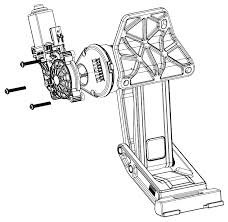
PowerStep Motor Assembly Complete Kit
Complete motor assembly replacement kit featuring heavy-duty construction, weather-resistant sealing, and direct OEM compatibility. Includes all necessary hardware for professional installation and optimal performance.
Understanding Your PowerStep Motor Assembly Components
The amp research power step motor serves as the heart of your automatic running board system, providing the precise mechanical force needed to extend and retract the steps reliably. This critical component works in conjunction with sophisticated control electronics to deliver smooth, consistent operation regardless of weather conditions or vehicle usage patterns.
When your amp research power step motor begins showing signs of wear or failure, understanding its internal components becomes essential for proper diagnosis and replacement. The motor assembly consists of a high-torque electric motor, precision gear reduction system, and weather-sealed housing designed to withstand years of outdoor exposure.
Motor Housing and Sealing Technology
The protective housing surrounding your amp research power step motor incorporates advanced sealing technology to prevent moisture, dirt, and road debris from compromising internal components. Multiple O-ring seals and gaskets create barriers against environmental contamination while allowing proper ventilation to prevent condensation buildup.
Internal components include precision-machined gears that multiply motor torque while reducing rotational speed to provide the controlled movement your running boards require. These gears operate within a lubricated environment that maintains smooth operation across temperature extremes commonly encountered in automotive applications.
Electrical Integration and Control Systems
Your replacement motor assembly integrates seamlessly with existing control module electronics, maintaining all original functionality including automatic door-triggered operation and safety features. The electrical connections utilize weatherproof connectors that resist corrosion and maintain reliable signal transmission over time.
Signs Your PowerStep Motor Needs Replacement
Recognizing the early warning signs of amp research power step motor failure allows you to address issues before complete system breakdown occurs. Motor assemblies typically provide years of reliable service, but mechanical wear, environmental exposure, and electrical stress eventually require replacement to maintain optimal performance.
Unusual operating noises represent one of the most common indicators that your amp research power step motor requires attention. Grinding, clicking, or excessive humming sounds during step operation suggest internal gear wear or bearing degradation that will progressively worsen without intervention.
Performance and Response Issues
Slowed step extension or retraction speeds indicate your motor assembly is struggling to generate sufficient torque for normal operation. This performance degradation often begins subtly but accelerates as internal wear increases, eventually leading to complete operation failure if left unaddressed.
Inconsistent step positioning or failure to fully extend represents another clear sign that your amp research power step motor requires replacement. These symptoms typically indicate gear slippage or control circuit problems within the motor assembly itself rather than external system components.
Environmental Damage Assessment
Visible corrosion, cracked housing, or damaged mounting points suggest environmental exposure has compromised your motor assembly’s protective barriers. Even if the unit continues operating, compromised sealing allows contaminants to accelerate internal wear and should prompt immediate replacement planning.
Electrical connection problems including corroded terminals, damaged wiring, or intermittent operation patterns often trace back to motor assembly issues rather than external wiring problems. Professional diagnosis helps distinguish between repairable wiring issues and complete motor replacement requirements.
Professional Installation Process for Motor Assembly Replacement
Replacing your amp research power step motor requires careful attention to safety procedures, proper tool selection, and methodical installation techniques to ensure optimal performance and longevity. Professional installation typically takes 2-3 hours per side and requires basic mechanical skills plus specialized tools for safe vehicle lifting and component access.
Begin the replacement process by disconnecting the vehicle battery to prevent electrical shorts or accidental step activation during motor removal. Secure your vehicle on level ground using appropriate jack stands or lift equipment, never relying solely on hydraulic jacks for safety during extended work periods.
Step-by-Step Removal Procedures
Locate and carefully disconnect all electrical connections to your existing amp research power step motor, taking photographs or making notes to ensure proper reconnection during assembly. Remove any protective covers or access panels that may obstruct motor access, keeping all hardware organized for reinstallation.
Unbolt the motor assembly from its mounting brackets using appropriate socket wrenches, supporting the unit’s weight to prevent damage to connected brackets or running board mechanisms. Some installations may require partial removal of related components to provide adequate working clearance.
New Motor Assembly Installation
Position your replacement amp research power step motor assembly carefully, ensuring proper alignment with existing mounting points and mechanical linkages. Thread mounting bolts by hand initially to prevent cross-threading, then torque to manufacturer specifications using a calibrated torque wrench.
Reconnect electrical connections according to your documentation or photographs, ensuring weatherproof connectors seat fully and lock properly. Apply dielectric grease to connection points if specified in installation instructions to prevent future corrosion issues.
System Testing and Calibration
Before completing installation, conduct thorough operational testing to verify your new motor assembly functions correctly across all operating modes. Test both automatic door-triggered operation and any available override switch functionality to ensure complete system integration.
Maintenance Tips to Extend Motor Assembly Lifespan
Proper maintenance practices significantly extend the operational lifespan of your amp research power step motor while preventing premature failures and costly repairs. Regular inspection and preventive care help identify potential issues before they compromise system performance or require emergency replacement.
Establish a routine maintenance schedule that includes visual inspection of motor housing, electrical connections, and mounting hardware at least quarterly or more frequently in harsh operating environments. Look for signs of corrosion, loose connections, or physical damage that could affect long-term reliability.
Cleaning and Protection Protocols
Keep your motor assembly clean using mild soap solutions and avoid high-pressure washing directly on electrical connections or sealed housing joints. Remove accumulated road salt, mud, and debris that can accelerate corrosion or interfere with mechanical operation over time.
Apply appropriate protective treatments to exposed metal surfaces and electrical connections as recommended by manufacturer guidelines. Many installations benefit from periodic application of corrosion inhibitors or dielectric grease to maintain optimal electrical conductivity.
Environmental Considerations
Vehicles operated in coastal areas, regions with heavy road salt usage, or dusty environments require more frequent maintenance attention to prevent accelerated wear of motor assembly components. Consider these factors when establishing your maintenance schedule and selecting appropriate protective products.
Monitor the performance of related components including power steps and control systems that work in conjunction with your motor assembly. Problems in related systems can place additional stress on motor components and reduce overall system lifespan if left unaddressed.
Lubrication and Technical Service
While most amp research power step motor assemblies feature sealed construction that doesn’t require routine lubrication, periodic professional inspection can identify emerging issues before they require major repairs. Qualified technicians can perform diagnostic tests that reveal motor performance trends and predict replacement timing.
Troubleshooting Common Motor Assembly Problems
Effective troubleshooting techniques help distinguish between amp research power step motor problems and related system issues, preventing unnecessary component replacement and reducing repair costs. Systematic diagnostic approaches identify root causes rather than treating symptoms, ensuring repairs address underlying problems.
Start troubleshooting by verifying proper electrical supply to your motor assembly using a digital multimeter to measure voltage at the motor connections during operation attempts. Insufficient voltage often indicates problems with wiring, control modules, or vehicle electrical systems rather than motor failure.
Electrical System Diagnosis
Check all electrical connections for tightness, corrosion, or damage that might interrupt power delivery to your amp research power step motor. Poor connections create resistance that reduces available power and can cause intermittent operation problems that mimic motor failure symptoms.
Test your vehicle’s OBD2 plug for diagnostic codes related to running board operation, as many modern systems provide specific error codes that pinpoint problem areas. These codes can distinguish between motor assembly failures and control system malfunctions.
Mechanical Problem Identification
Examine the mechanical linkages between your motor assembly and running board mechanisms for binding, damage, or misalignment issues that could overload the motor. Mechanical restrictions force motors to work harder and can cause premature failure even in otherwise healthy units.
Listen carefully to operational sounds produced by your amp research power step motor during normal operation cycles. Different sound patterns indicate specific types of internal wear or damage, helping focus repair efforts on the most likely problem areas.
Advanced Diagnostic Techniques
Measure motor current draw during operation to identify internal problems that may not yet produce obvious symptoms. Excessive current consumption suggests internal friction or electrical problems, while insufficient current draw may indicate open circuits or control system failures.
Compare operation timing between left and right side motor assemblies to identify performance discrepancies that suggest developing problems. Significant timing differences often indicate one motor assembly is beginning to fail and requires attention before complete breakdown occurs.
Selecting Quality Replacement Parts and Components
Choosing appropriate replacement components ensures your amp research power step motor replacement provides years of reliable service while maintaining compatibility with existing vehicle systems. Quality considerations include construction materials, electrical specifications, and warranty coverage that protect your investment long-term.
OEM-equivalent motor assemblies offer the best combination of fit, performance, and reliability for most replacement applications. These units meet or exceed original equipment specifications while often incorporating improved materials or design features that enhance durability and service life.
Construction Quality and Materials
Evaluate the housing materials and sealing technology used in replacement motor assemblies, as these factors directly impact longevity in automotive environments. High-quality units feature corrosion-resistant housings with advanced sealing systems that prevent contamination and moisture intrusion.
Internal components including gears, bearings, and electrical contacts should utilize premium materials designed for extended service in demanding applications. Quality manufacturers provide detailed specifications and performance data that demonstrate their products’ capabilities and expected service life.
Compatibility and Integration Factors
Verify that replacement motor assemblies maintain full compatibility with existing control systems and related components to prevent integration problems or reduced functionality. Proper fitment includes electrical connections, mounting dimensions, and operational characteristics that match original equipment specifications.
Consider the availability of related components and technical support when selecting replacement parts suppliers. Established manufacturers typically offer comprehensive product lines and technical assistance that simplify future maintenance and repair requirements.
Warranty and Support Considerations
Quality replacement motor assemblies include comprehensive warranty coverage that demonstrates manufacturer confidence in their products. Extended warranty periods provide additional protection and peace of mind for vehicle owners who depend on their running board systems for daily use.
Technical support availability becomes important when installation questions arise or troubleshooting assistance is needed. Reputable manufacturers provide detailed installation instructions, troubleshooting guides, and customer support resources that ensure successful motor assembly replacement projects.
Ensuring Reliable PowerStep Operation Through Proper Motor Maintenance
Understanding your amp research power step motor assembly’s operation, maintenance requirements, and replacement procedures ensures continued reliable performance from your automatic running board system. Regular inspection and preventive care significantly extend motor lifespan while preventing unexpected failures that leave you without this important vehicle feature.
Quality replacement components and professional installation practices provide the best foundation for long-term system reliability and owner satisfaction. Investing in premium motor assemblies and proper installation techniques reduces future maintenance costs while ensuring your running boards continue operating smoothly for years to come.
Proactive maintenance and timely replacement of worn motor assemblies protects your investment in running board systems while maintaining the convenience and safety benefits they provide. By following manufacturer guidelines and addressing problems early, you can maximize the value and performance of your automatic running board investment.
Whether performing DIY maintenance or working with professional technicians, understanding motor assembly operation and replacement procedures helps ensure optimal results and continued system reliability. Take the time to properly maintain these critical components, and your running boards will continue providing reliable service throughout your vehicle’s lifetime.