
PowerStep Control Module & Controller: Complete Guide to Installation and Features
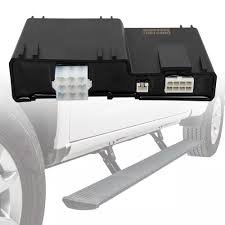
PowerStep Control Module
Advanced electronic control unit that manages the automatic deployment and retraction of PowerStep running boards. Features weatherproof housing, intelligent diagnostics, and seamless integration with vehicle electrical systems for reliable operation.
PowerStep Controller Kit
Complete controller system including all necessary components for PowerStep operation. Contains control module, wiring harnesses, mounting hardware, and installation instructions for professional-grade automatic running board functionality.
Understanding the AMP Research Module System
The amp research module serves as the brain of your PowerStep running board system, controlling every aspect of operation from deployment timing to retraction cycles. This sophisticated electronic control unit interfaces directly with your vehicle’s electrical system to provide seamless automatic functionality.
Every amp research module includes advanced diagnostic capabilities that monitor system performance and identify potential issues before they become major problems. The module continuously communicates with sensors, motors, and other parts components to ensure optimal operation under all conditions.
Key Components of the Control System
The amp research module consists of several critical components working together to deliver reliable performance. The main control unit houses the primary processing circuitry, while secondary modules handle specific functions like sensor input processing and motor control signals.
Weatherproof housings protect all electronic components from moisture, dirt, and road debris that could compromise system functionality. Each amp research module undergoes rigorous testing to ensure it meets automotive-grade durability standards for long-term reliability.
Integration with Vehicle Systems
Modern amp research module designs integrate seamlessly with factory vehicle electronics through standardized OBD2 plug connections and dedicated wiring harnesses. This integration allows the system to respond automatically to door opening and closing events without requiring additional user input.
The amp research module also communicates with other vehicle systems to prevent conflicts and ensure safe operation. For example, the module can detect when the vehicle is in motion and prevent step deployment for safety reasons.
Installation Process and Requirements
Installing an amp research module requires careful attention to vehicle-specific wiring requirements and proper mounting locations. The installation process typically involves connecting the control module to existing door sensors and routing power connections through appropriate vehicle circuits.
Professional installation ensures that your amp research module operates correctly and maintains warranty coverage. The installation process includes programming the module for your specific vehicle make and model, which optimizes timing and operational parameters.
Mounting Considerations
Proper mounting of the amp research module protects the unit from road debris and provides easy access for future maintenance. Most installations position the control module in protected areas like behind interior panels or in engine bay locations with adequate ventilation.
The amp research module mounting location must also consider wire routing requirements and accessibility for diagnostic connections. Along with proper power step brackets installation, correct module mounting ensures long-term system reliability.
Wiring and Electrical Connections
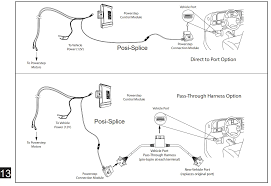
Each amp research module includes vehicle-specific wiring harnesses designed to integrate with factory electrical systems. These harnesses eliminate the need for wire splicing in most applications, reducing installation time and improving connection reliability.
Power connections for the amp research module typically tie into existing circuits that provide switched and constant power sources. The module also requires ground connections to complete the electrical circuit and ensure proper operation of all system components.
Troubleshooting and Diagnostic Features
The amp research module includes comprehensive diagnostic capabilities that simplify troubleshooting when system issues occur. Built-in diagnostic routines can identify problems with sensors, motors, wiring, and other system components through systematic testing procedures.
LED status indicators on most amp research module units provide immediate visual feedback about system status and operating conditions. These indicators help technicians quickly identify whether problems originate in the control module itself or in connected components like the power step motor assemblies.
Common Diagnostic Procedures
When troubleshooting amp research module issues, technicians typically begin with basic diagnostic steps like verifying power and ground connections. The module’s self-diagnostic routines can then identify more complex problems through automated testing sequences.
Error codes generated by the amp research module provide specific information about detected problems, making diagnosis more efficient and accurate. These codes correspond to detailed troubleshooting procedures in the service manual for systematic problem resolution.
Manual Override Functions
Every amp research module includes manual override capabilities that allow users to operate the system when automatic functions fail. The override switch functionality ensures that steps can still be deployed or retracted even when the primary control system experiences problems.
Manual override features also prove useful during maintenance procedures when technicians need to position steps at specific locations for service work. The amp research module maintains these override capabilities even when other system functions are disabled.
Maintenance and Longevity Tips
Regular maintenance of your amp research module extends system life and prevents costly repairs. Simple maintenance procedures include keeping electrical connections clean and dry, checking mounting hardware periodically, and verifying proper operation of all system functions.
The amp research module requires minimal maintenance under normal operating conditions, but periodic inspections help identify potential issues before they cause system failures. Environmental factors like salt exposure, extreme temperatures, and moisture levels can affect module longevity.
Protecting Electronic Components
Proper protection of amp research module electronics involves ensuring weatherproof seals remain intact and electrical connections stay clean and corrosion-free. Regular inspection of wiring harnesses helps identify wear or damage that could compromise system operation.
Keeping the amp research module mounting area clean and free from debris prevents overheating and mechanical damage. The complete power steps system benefits from regular cleaning and lubrication according to manufacturer recommendations.
Seasonal Considerations
Winter conditions present unique challenges for amp research module operation, including ice buildup, salt corrosion, and extreme temperature fluctuations. Cold weather can affect electronic component performance and motor operation speeds.
The amp research module includes temperature compensation features that adjust operation parameters for cold weather conditions. However, users should still take precautions to prevent ice buildup and ensure proper system operation during winter months.
Upgrading and Replacement
When amp research module replacement becomes necessary, newer units often include improved features and enhanced reliability compared to original equipment. Replacement modules like the 20-03289-94 model offer updated electronics and improved weather resistance.
Upgrading your amp research module may also provide access to new features like smartphone integration, enhanced diagnostic capabilities, and improved energy efficiency. These upgrades can extend the useful life of your entire PowerStep system.
Maximizing Your PowerStep Investment
The amp research module represents a sophisticated piece of automotive technology that transforms your vehicle’s accessibility and convenience. Understanding how this system works, from installation requirements to maintenance procedures, helps ensure you get maximum value from your PowerStep investment.
Proper installation and regular maintenance of your amp research module system provide years of reliable automatic operation. The diagnostic capabilities, weather resistance, and integration features make these modules an essential component of modern running board systems that deliver both functionality and durability.
Whether you’re installing a new system or maintaining an existing amp research module, following manufacturer guidelines and using quality components ensures optimal performance. The investment in a properly functioning control system pays dividends through enhanced vehicle accessibility, improved safety, and long-term reliability that makes every entry and exit more convenient.
By understanding the technology behind your amp research module and following proper maintenance procedures, you can enjoy the benefits of automatic running boards for many years while minimizing potential issues and maximizing system longevity.